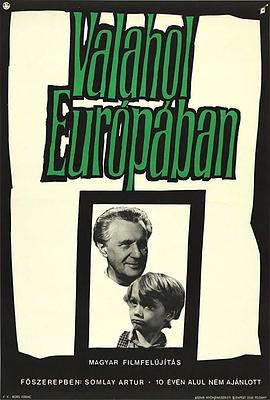
导演:Radványi Géza
主演:Artúr Somlay Miklós Gábor Zsuzsa Bánki
状态:HD中字
剧情:Somewhere in the remote region, the war ends. In the midst of ruined cities and houses in the streets, in rural hamlets, everywhere where people still live, are children who have lost their homes and parents. Abandoned, hungry, and in rags, defenseless and humiliated, they wander through the world. Hunger drives them. Little streams of orphans merge into a river which rushes forward and submerges everything in its path. The children do not know any feeling; they know only the world of their enemies. They fight, steal, struggle for a mouthful of food, and violence is merely a means to get it. A gang led by Cahoun finds a refuge in an abandoned castle and encounters an old composer who has voluntarily retired into solitude from a world of hatred, treason, and crime. How can they find a common ground, how can they become mutual friends The castle becomes their hiding place but possibly it will also be their first home which they may organize and must defend. But even for this, the price will be very high. To this simple story, the journalist, writer, poet, scriptwriter, movie director, and film theoretician Béla Balázs applied many years of experience. He and the director Géza Radványi created a work which opened a new postwar chapter in Hungarian film. Surprisingly, this film has not lost any of its impact over the years, especially on a profound philosophical level. That is to say, it is not merely a movie about war; it is not important in what location and in what period of time it takes place. It is a story outside of time about the joyless fate of children who pay dearly for the cruel war games of adults. At the time it was premiered, the movie was enthusiastically received by the critics. The main roles were taken by streetwise boys of a children's group who created their roles improvisationally in close contact with a few professional actors, and in the children's acting their own fresh experience of war's turmoil appears to be reflected. At the same time, their performance fits admirably into the mosaic of a very complex movie language. Balázs's influence revealed itself, above all, in the introductory sequences an air raid on an amusement park, seen in a montage of dramatic situations evoking the last spasms of war, where, undoubtedly, we discern the influence of classical Soviet cinematography. Shooting, the boy's escape, the locomotive's wheels, the shadows of soldiers with submachine guns, the sound of a whistle—the images are linked together in abrupt sequences in which varying shots and expressive sharp sounds are emphasized. A perfectly planned screenplay avoided all elements of sentimentality, time-worn stereotypes of wronged children, romanticism and cheap simplification. The authors succeeded in bridging the perilous dramatic abyss of the metamorphosis of a children's community. Their telling of the story (the scene of pillaging, the assault on the castle, etc) independently introduced some neorealist elements which, at that time, were being propagated in Italy by De Sica, Rossellini, and other film artists. The rebukes of contemporary critics, who called attention to formalism for its own sake have been forgotten. The masterly art of cameraman Barnabás Hegyi gives vitality to the poetic images. His angle shots of the children, his composition of scenes in the castle interior, are a living document of the times, and underline the atmosphere and the characters of the protagonists. The success of the picture was also enhanced by the musical art of composer Dénes Buday who, in tense situations, inserted the theme of the Marseilaise into the movie's structure, as a motive of community unification, as an expression of friendship and the possibility of understanding. Valahol Europaban is the first significant postwar Hungarian film. It originated in a relaxed atmosphere, replete with joy and euphoria, and it includes these elements in order to demonstrate the strength of humanism, tolerance, and friendship. It represents a general condemnation of war anywhere in the world, in any form.

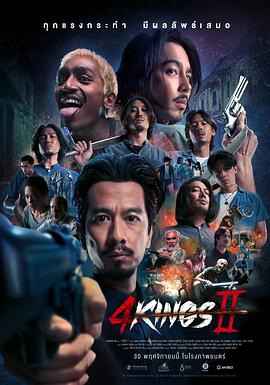 HDSompol Rungpanich 苏提拉克·素维杰拉 西拉·因塔拉乔特 Big D Gerrard 本杰明·约瑟夫·瓦尼 帕塔纳·埃桑固 Top Todsapol Maisuk Touch na Takuathung Neramitnung Film制作 4 Kings 2明年上映
 6.0更新1080PMadison Ford Jacob Lince Peter Mendoza John F. Henry II Sarah Assumma Christabel Rivero 内森(Nathan)的王国是一部科幻小说,讲述了19岁的流浪者劳拉(Laura)的成年戏,她不会向25岁的自闭症兄弟内森(Nathan)投降社会服务,她将他带到了一个不可能的任务寻找一个仅存在于内森想
 HD中字孔都孜扎依·塔西 拜合提亚尔·艾则孜 故事发生在风景壮美的新疆阿勒泰,孤苦无依的女孩王彩霞(索星雨 饰)一路流浪至此,只为了寻找失散多年的哥哥王云辉(王揆森 饰),路途的颠簸曲折让王彩霞又累又饿身患重病,幸运的她遇到了善良的阿尼帕(孔
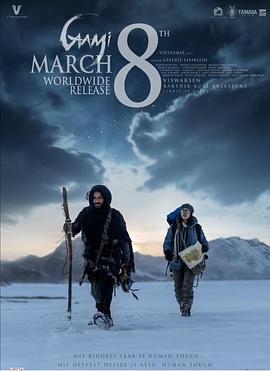 9.0HDVishwak Sen Rajiv Kumar Aneja Abhinaya A reclusive Aghori, who has a rare human condition goes into uncharted territory to find a cure to i
 6.0正片卡尼·库斯鲁蒂 迪维亚·普拉巴 查亚·卡达姆 赫里杜·哈隆 阿泽斯·内杜芒加德 阿南德·萨米 洛芙琳·米什拉 马杜·拉加 Shweta Prajapati Tintumol Joseph Ardra K.S. Sisira Anil CK Aparna Ram Kashish Singh Nikhil Mathew Bipin Nadkarni Snehalata Siddarth Tagde Saee Abhay Limaye Sanjay Balu Ghanekar Shailaja Shrikant 丈夫长居德国,护士长普拉巴被困在有名无实的包办婚姻中,无法响应男医生对她的体贴温柔。年轻护士阿努爱着穆斯林男孩,他们无法正大光明交往,却大胆偷尝禁果。两人的共同好友因寡妇身份等不到居住正义,被迫离开城
 9.0HD艾玛·巴丁 雅尼娜·福茨 路德维希·西蒙 萨缪尔·芬齐 埃米利奥·萨卡里亚 奥利维·柯里特克 艾瓦拉·胡弗茨 Matilda M?rz Amina Merai 西奥·特里布斯 阿克塞尔·施泰因 约翰·冯·比罗 乔伊斯·伊尔格 14岁的莉莉丝的生活与一个正常的青少年相似,但也有一个特点:她是魔鬼的女儿,和他一起生活在地狱里。因为她在那里完全无聊,想玩得开心,想探索世界,所以她和父亲订了一个协议:允许她去地球一个星期,但她必须
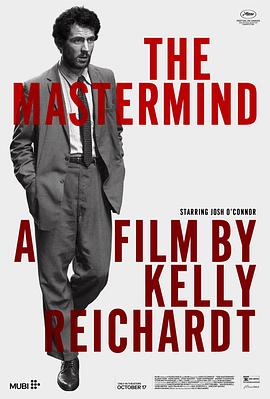 10.0TC中字乔什·奥康纳 阿拉娜·哈伊姆 盖比·霍夫曼 约翰·马加罗 比尔·坎普 霍普·戴维斯 莱齐·费利兹 马修·马希尔 科尔·杜曼 玛戈特·安德森-宋 伊莱·盖布 胡安·卡洛斯·赫尔南德斯 让·扎尔祖尔 瑞安·霍姆奇克 威尔逊·康克赖特 凯蒂·哈伯德 史蒂文·特里·沃克 D·J·斯特劳德 格雷格·维奥兰德 安吉尔·科恩斯 在天眼尚未密布,监场保安仍会打瞌睡的二十世纪七十年代,名画大盗就是会光天化日,大剌剌走进美术馆,直接把猎物从墙上取下放入布袋运走。看似儿戏的一切,背后主谋还要是住在市郊、人畜无害的住家男人。凯莉·
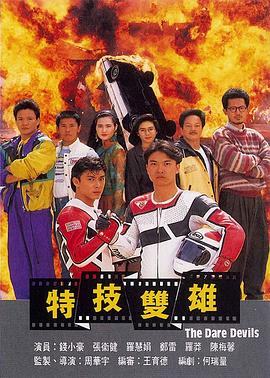 HD钱小豪 张卫健 罗慧娟 陈明君 Yan-San Au 查传谊 Bing-Choi Chan 陈志辉 Kwok-Yau Chan 郑雷 Hoi-Chi Chiu Shu-Pau Ho 罗礼贤 梁健平 罗莽 一场场特技演出,一次次人生起落 ,特技人拼搏上阵、永不言败 。 故事讲述韩森(钱小豪)年前因一时好胜,与人斗快车,发生意外,连累怀孕之妻子撞死,自此而自厌自毁,在特技演出时全不要命,因而受导演们