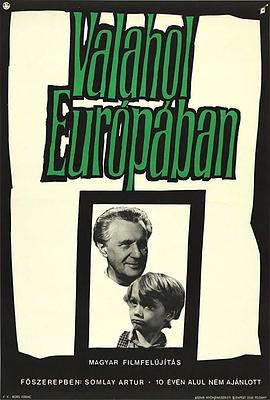
Somewhere in the remote region, the war ends. In the midst of ruined cities and houses in the streets, in rural hamlets, everywhere where people still live, are children who have lost their homes and parents. Abandoned, hungry, and in rags, defenseless and humiliated, they wander through the world. Hunger drives them. Little streams of orphans merge into a river which rushes forward and submerges everything in its path. The children do not know any feeling; they know only the world of their enemies. They fight, steal, struggle for a mouthful of food, and violence is merely a means to get it. A gang led by Cahoun finds a refuge in an abandoned castle and encounters an old composer who has voluntarily retired into solitude from a world of hatred, treason, and crime. How can they find a common ground, how can they become mutual friends The castle becomes their hiding place but possibly it will also be their first home which they may organize and must defend. But even for this, the price will be very high. To this simple story, the journalist, writer, poet, scriptwriter, movie director, and film theoretician Béla Balázs applied many years of experience. He and the director Géza Radványi created a work which opened a new postwar chapter in Hungarian film. Surprisingly, this film has not lost any of its impact over the years, especially on a profound philosophical level. That is to say, it is not merely a movie about war; it is not important in what location and in what period of time it takes place. It is a story outside of time about the joyless fate of children who pay dearly for the cruel war games of adults. At the time it was premiered, the movie was enthusiastically received by the critics. The main roles were taken by streetwise boys of a children's group who created their roles improvisationally in close contact with a few professional actors, and in the children's acting their own fresh experience of war's turmoil appears to be reflected. At the same time, their performance fits admirably into the mosaic of a very complex movie language. Balázs's influence revealed itself, above all, in the introductory sequences an air raid on an amusement park, seen in a montage of dramatic situations evoking the last spasms of war, where, undoubtedly, we discern the influence of classical Soviet cinematography. Shooting, the boy's escape, the locomotive's wheels, the shadows of soldiers with submachine guns, the sound of a whistle—the images are linked together in abrupt sequences in which varying shots and expressive sharp sounds are emphasized. A perfectly planned screenplay avoided all elements of sentimentality, time-worn stereotypes of wronged children, romanticism and cheap simplification. The authors succeeded in bridging the perilous dramatic abyss of the metamorphosis of a children's community. Their telling of the story (the scene of pillaging, the assault on the castle, etc) independently introduced some neorealist elements which, at that time, were being propagated in Italy by De Sica, Rossellini, and other film artists. The rebukes of contemporary critics, who called attention to formalism for its own sake have been forgotten. The masterly art of cameraman Barnabás Hegyi gives vitality to the poetic images. His angle shots of the children, his composition of scenes in the castle interior, are a living document of the times, and underline the atmosphere and the characters of the protagonists. The success of the picture was also enhanced by the musical art of composer Dénes Buday who, in tense situations, inserted the theme of the Marseilaise into the movie's structure, as a motive of community unification, as an expression of friendship and the possibility of understanding. Valahol Europaban is the first significant postwar Hungarian film. It originated in a relaxed atmosphere, replete with joy and euphoria, and it includes these elements in order to demonstrate the strength of humanism, tolerance, and friendship. It represents a general condemnation of war anywhere in the world, in any form.
关联推荐
猜你喜欢
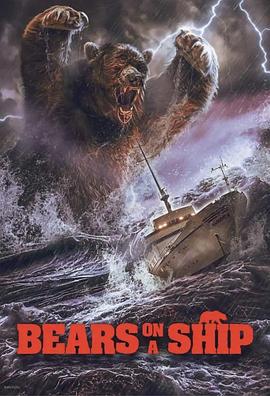 7.0HD迈克尔·弗雷迪亚内利 鲁迪·莱德贝特 克丽斯托·谢伊 凯文·达菲 Clint·Beaver Sherill·Quinn Jonez·Cain Erin·Nolan Derek·Crowe 在墨西哥航空公司罢工期间,滞留的旅客选择乘船前往美国,他们不知道船上还有两只食人熊
 正片吴君如 陆永 张继聪 吴肇轩 林家熙 卢海鹏 胡子彤 杨伟伦 钱小豪 梁仲恒 钟雪莹 冯皓扬 苏桦伟 电影根据残奥冠军苏桦伟真人真事改编。苏桦伟生来因黄疸病导致脑痉挛,无法正常站立行走。而苏妈(吴君如 饰)没有放弃,不仅帮助儿子站了起来,还发掘了他的跑步天赋,直到苏桦伟被残障田径队选中,夺得残奥会冠军
 8.0HD黄秋生 任贤齐 文咏珊 张可颐 卢巧音 恭硕良 曹查理 林利 虽已身价千万,功成名就,但是大老板王浩潮(黄秋生 饰)身心始终得不到放松。在外有征地事宜搅扰不堪,内有女儿黛丝(文咏姗 饰)青春叛逆,沉湎毒品无法自拔。在一次父女争吵过后,黛丝神秘失踪,不久一段绑架录
 HD中字褚栓忠 丁柳元 彭婧 一个会唱秧歌的男人,无奈娶了一个不心爱的女人。心爱的女人嫁给了心狠的男人,后来离婚了。会唱秧歌的男人旧情复发,和心爱的女人私会。不心爱的女人一气之下和会唱秧歌的男人也离婚了。心爱的女人和会唱秧歌的
 9.0更新HD中字凯特·哈德森 娜奥米·沃茨 斯托卡特·詹宁 罗曼·杜里斯 梅尔维尔·珀波 蒂埃里·莱尔米特 莱斯莉·卡伦 格伦·克洛斯 斯蒂芬·弗雷 由于受不了严谨的校纪校规,女孩伊莎贝尔(凯特·哈德森 Kate Hudson 饰)毅然离开了电影学院,过上了她所渴望的自由生活。伊莎贝尔的姐姐罗茜妮(娜奥米·沃茨 Naomi Watts 饰)定居
 HD山田邦子 齐藤由贵 加藤雅也 天久美智子 宍户锭 高桥瞳 丰川悦司 バブル絶頂期に秋元康が企画したラブ?コメディ。監督の渡邊孝好、脚本の野島伸司ともに、本作が劇場映画デビュー作となる。主題歌は山下達郎の「クリスマス?イブ」。お笑いタレントの山田邦子と、人気女優の斉藤由
 HD彼得·库尔特 卡尔·马克维斯 卡特琳·施特里贝克 贝克(彼得·库尔思 Peter Kurth 饰)曾经失手杀死了富翁达汉姆(卡尔·马克维斯 Karl Markovics 饰)的妻女,为此,他锒铛入狱,在铁窗之后服刑了大半生。如今,贝克重新获得了自由,
 8.0正片北山宏光 多部未华子 平泽宏宏路 饭丰万理江 富山绘里子 要润 笨蛋节奏 北山宏光、多部未华子、平泽宏宏路主演的[虎先生](トラさん~僕が猫になったワケ~,暂译)曝光首款剧照,本片根据板羽皆创作的漫画改编。故事讲述男主人公(北山宏光饰)不幸发生车祸去世,而他却意外的以猫的身
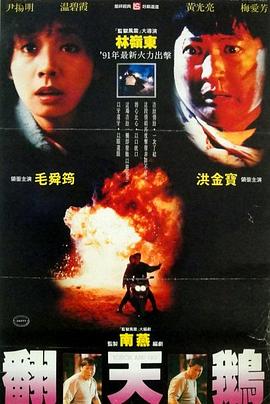 HD洪金宝 温碧霞 毛舜筠 尹扬明 黄光亮 梅爱芳 刘江 沙展刘检获了一批淫照,并交给了上司姜警司。然而,不久之后,他却被冷面杀手大虎所杀。多年的拍档阿Pitt发誓要替老友复仇,开始追查原凶的线索。他发现面档肥老鹅是唯一的目击证人,于是请求肥老鹅的帮助,成功
 正片咏梅 张涵予 斯琴高娃 王千源 冯绍峰 韩庚 冯嘉怡 袁姗姗 周迅 徐帆 熊乃瑾 安以轩 Songtao Guo ONE DAY comprises 9 warm and inspirational stories, which describe the life and dreams of 9 differen